Modi opens Jain heritage museum in Gujarat
PM Narendra Modi inaugurates Samrat Samprati Museum in Gujarat, highlights India’s glorious heritage
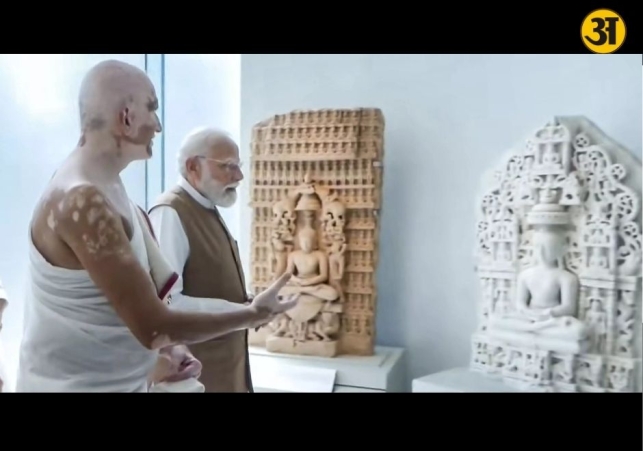
Prime Minister Narendra Modi on Tuesday inaugurated the Samrat Samprati Museum in Gujarat, calling it a symbol of India’s rich cultural and spiritual heritage. The inauguration took place on the occasion of Mahavir Jayanti, making the event even more special for the Jain community.
The museum is located at the Shri Mahavir Jain Aradhana Kendra in Koba near Ahmedabad. The Prime Minister attended the ceremony along with Jain seers and several dignitaries. During his address, he said the museum reflects the glorious past of the nation and will inspire future generations.
He emphasised that preserving heritage through modern ideas helps connect young people with the country’s traditions. According to him, such initiatives not only protect history but also strengthen cultural identity.
Celebrating heritage and history
The Samrat Samprati Museum is named after Samrat Samprati, a ruler from the Mauryan dynasty and the grandson of Ashoka. Samprati is known for promoting Jainism and spreading the message of non-violence, also known as ahimsa.
The Prime Minister said it was a privilege to visit a sacred Jain site on the occasion of Mahavir Jayanti. He also offered prayers and sought blessings of Mahavira, whose teachings continue to guide millions of people.
The museum showcases the deep roots of Jain philosophy and its influence on Indian civilisation. It reflects values such as peace, compassion, equality, and non-violence, which remain relevant even today.
PM Modi noted that the teachings of Mahavira are not only spiritually uplifting but also important for building a better society. He highlighted that these values remind people of their shared responsibility towards others.
ALSO READ: Israel suspends battalion after CNN journalist assaulted in West Bank, probe ordered
A blend of tradition and technology
The museum houses more than 2,000 rare artefacts that present a detailed journey through the history of Jainism. These include ancient manuscripts, stone and metal idols, coins, miniature paintings, and traditional objects.
Spread across seven galleries, the museum is designed to give visitors a chronological understanding of the development of Jain culture and philosophy. Each section focuses on a different aspect of India’s civilisational traditions.
One of the key features of the museum is the use of modern technology. Audio-visual tools and interactive displays have been included to create an engaging experience for visitors. This combination of tradition and technology helps make history more accessible, especially for younger audiences.
The exhibits include intricately crafted idols, silver chariots, and centuries-old relics that highlight the artistic excellence of past generations. These artefacts not only have historical value but also reflect the spiritual depth of Jain traditions.
Officials said the museum aims to preserve and display these rare collections for future generations. By doing so, it ensures that important cultural knowledge is not lost over time.
The Prime Minister praised the efforts behind the museum and congratulated citizens on the occasion. He said that such projects are important for keeping India’s heritage alive and inspiring pride among people.
The inauguration also highlighted the government’s focus on promoting cultural tourism. Museums like this can attract visitors from across the country and the world, helping them learn about India’s diverse traditions.
In addition to the museum event, PM Modi also shared greetings on Mahavir Jayanti through social media. He said that the life and teachings of Mahavira continue to guide people towards truth and compassion.
He added that the message of non-violence and kindness is especially important in today’s world. These values, he said, can help build a more peaceful and harmonious society.
The Samrat Samprati Museum stands as a tribute to India’s ancient wisdom and cultural richness. It also reflects the importance of preserving history while adapting to modern times.
In conclusion, the inauguration of the museum marks an important step in celebrating India’s heritage. It brings together history, spirituality, and technology in a way that educates and inspires visitors.
As more such initiatives are taken, they will play a key role in connecting people with their roots and promoting cultural awareness. The Samrat Samprati Museum is not just a collection of artefacts, but a symbol of India’s timeless values and traditions.
Related News